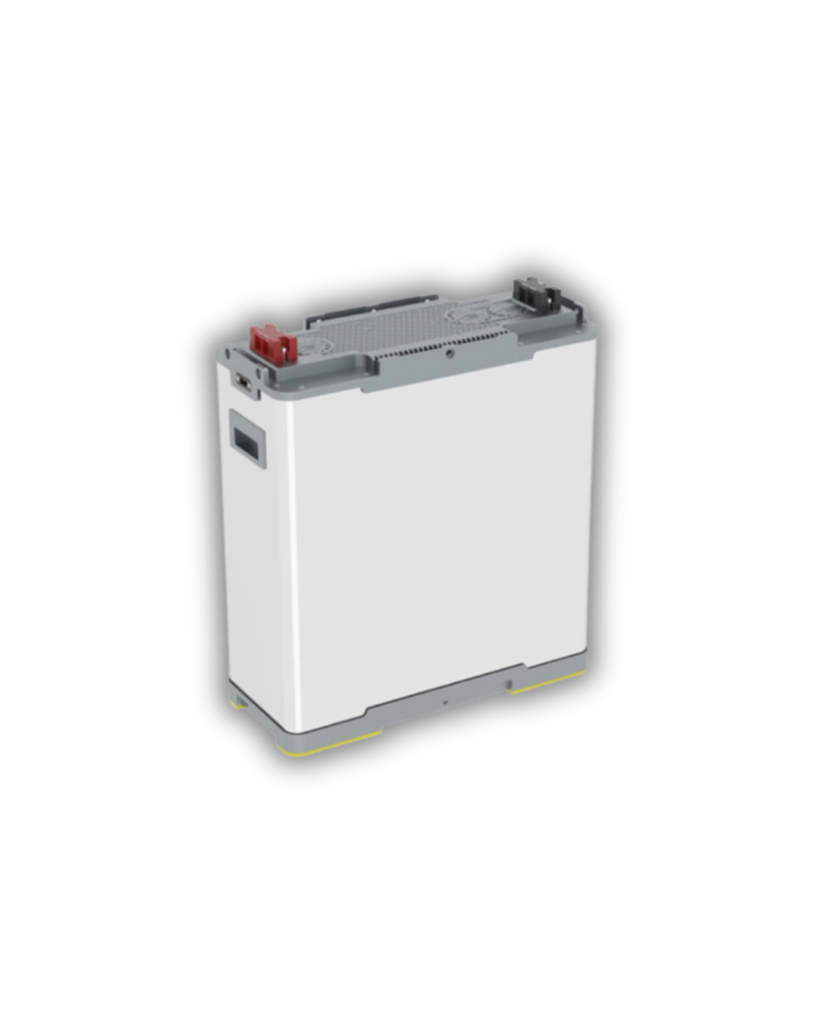
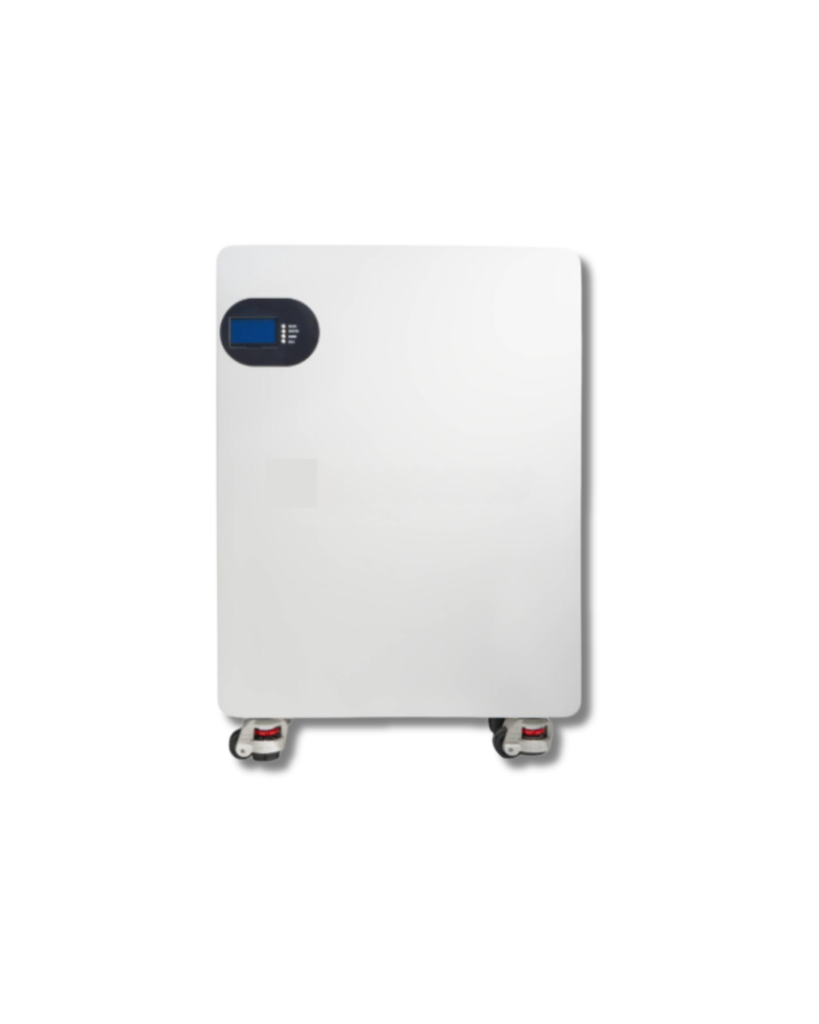
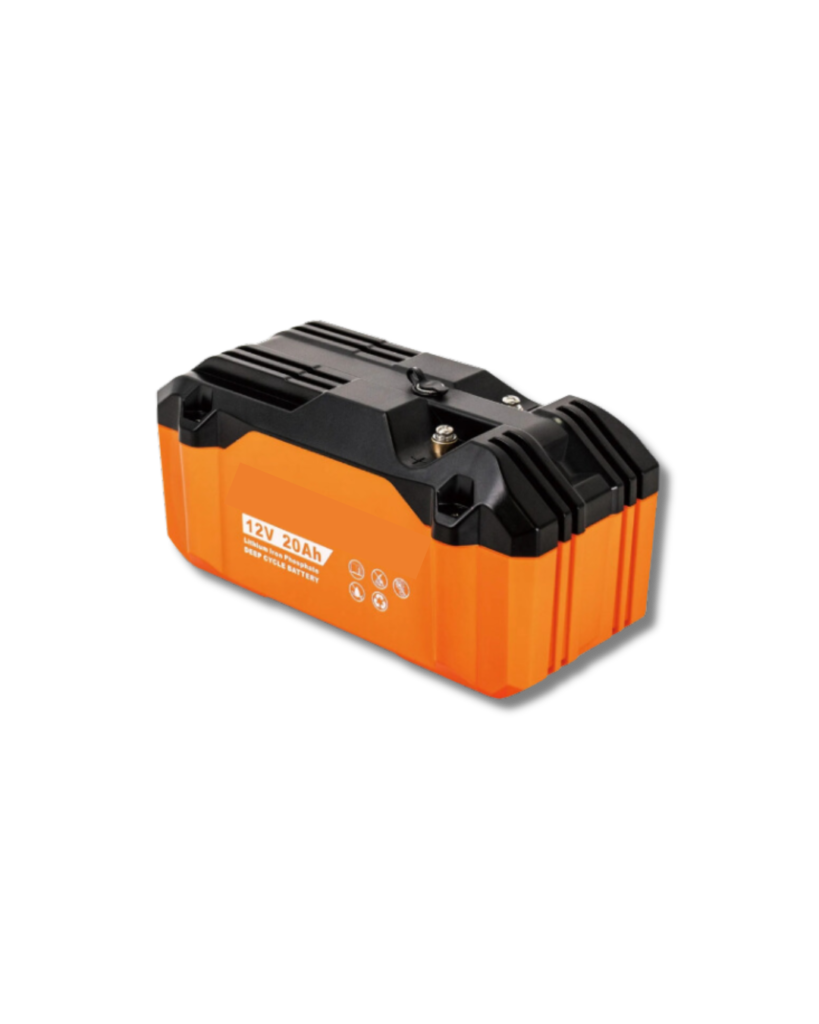
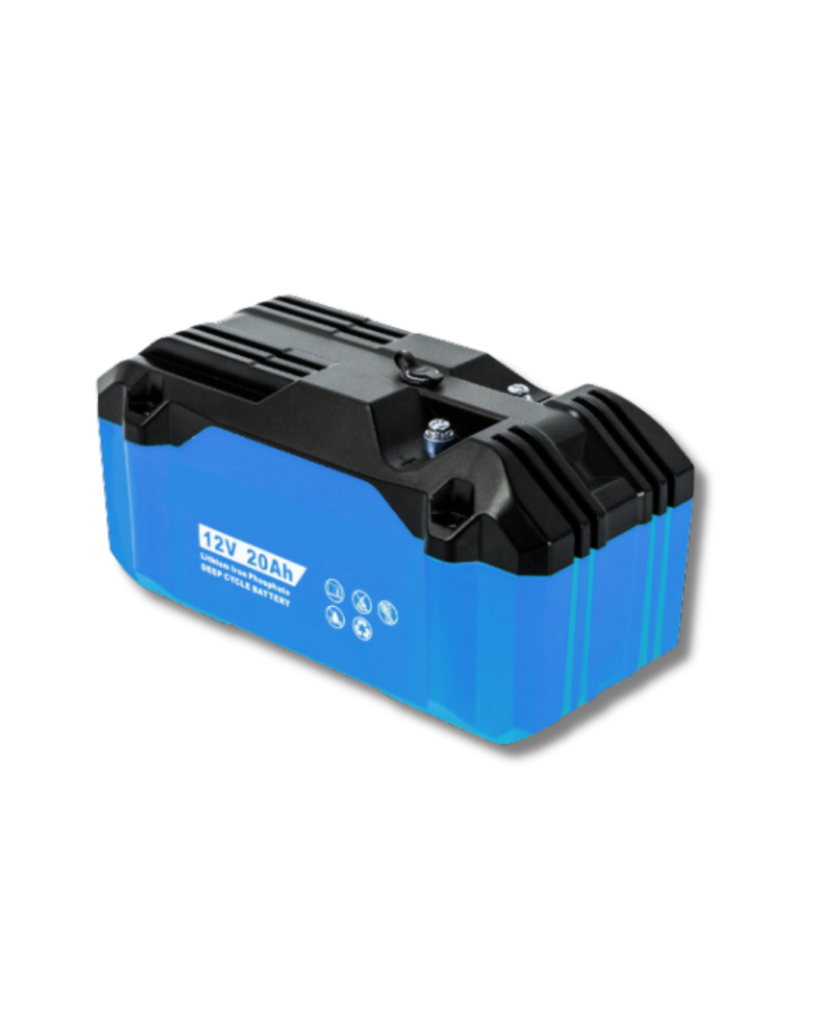
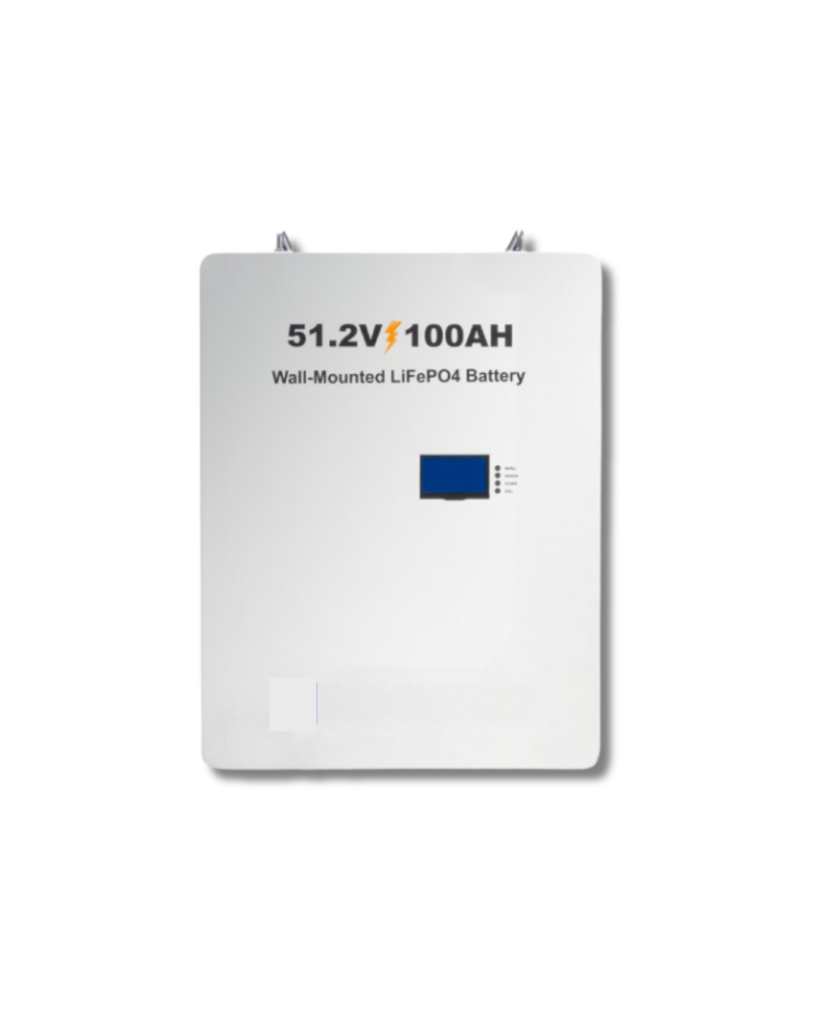
Lithium batteries are rechargeable energy storage devices that use lithium ions as the primary component of their electrochemistry. They are widely used in portable electronics, electric vehicles (EVs), renewable energy storage systems, and various industrial applications due to their high energy density, lightweight design, and long cycle life.
Key Features of Lithium Batteries:
High Energy Density: Lithium batteries can store more energy in a compact size compared to other rechargeable batteries like nickel-cadmium (NiCd) or lead-acid batteries.
Long Lifespan: These batteries typically last between 500 to 3,000 charge cycles, depending on the type and usage, making them more durable and cost-effective in the long term.
Low Self-Discharge: They retain charge for a longer time when not in use, losing only about 1-2% per month.
Lightweight: Lithium is the lightest metal, contributing to the battery’s reduced weight, which is especially beneficial for portable devices and electric vehicles.
Fast Charging Capability: Many lithium batteries support rapid charging, making them ideal for use in modern electronics and EVs.
Keep Updated About Our Product
Subscribe for the latest updates and tips!
Repulsive questions contented him few extensive supported.